
Go beyond talk therapy with EMDR, IFS, and Somatic Integration
Trauma-informed therapy in Los Angeles & Pasadena, CA

Trauma-informed care built on attachment,
trust, and safety
Real healing happens when you feel truly seen and safe. My approach integrates trauma-informed principles with attachment-focused therapy to address the root of what you’re carrying.
Grounded in neurobiology and compassion
Understanding how trauma lives in your nervous system
Affirming who you are completely

Trauma-Informed
therapy when talk therapy has grown redundant
Trauma affects everyone differently, and the path to healing is unique for each individual. I focus on addressing the specific challenges that trauma leaves behind, such as early attachment wounds, persistent patterns that resist treatment, and emotional distress that has quietly influenced your life for years. By tailoring therapy to your needs, we can work together to navigate these complexities and foster genuine healing.
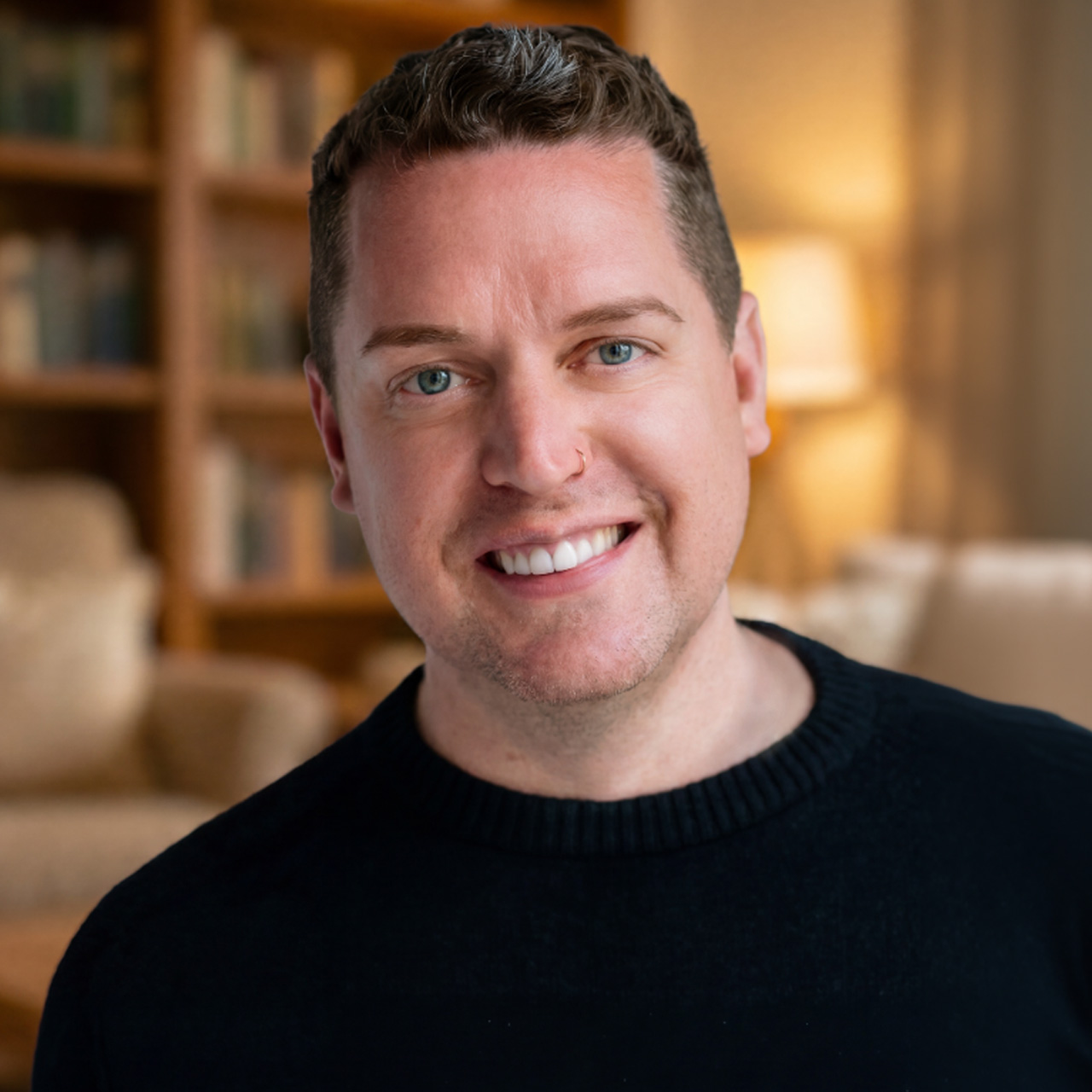
I'm Thomas Blake,
a licensed marriage
and family therapist
Healing isn’t about forgetting what happened. It’s about changing your relationship to it. I believe in meeting you exactly where you are, without judgment, and working collaboratively on your path to healing.
Writing on LGBTQ + Advocacy, Trauma, & Psychedelic Research
Clinical perspectives on the body, the nervous system, and what the research is finding


Take the next step
Book a consultation and take the first step toward reclaiming your life.